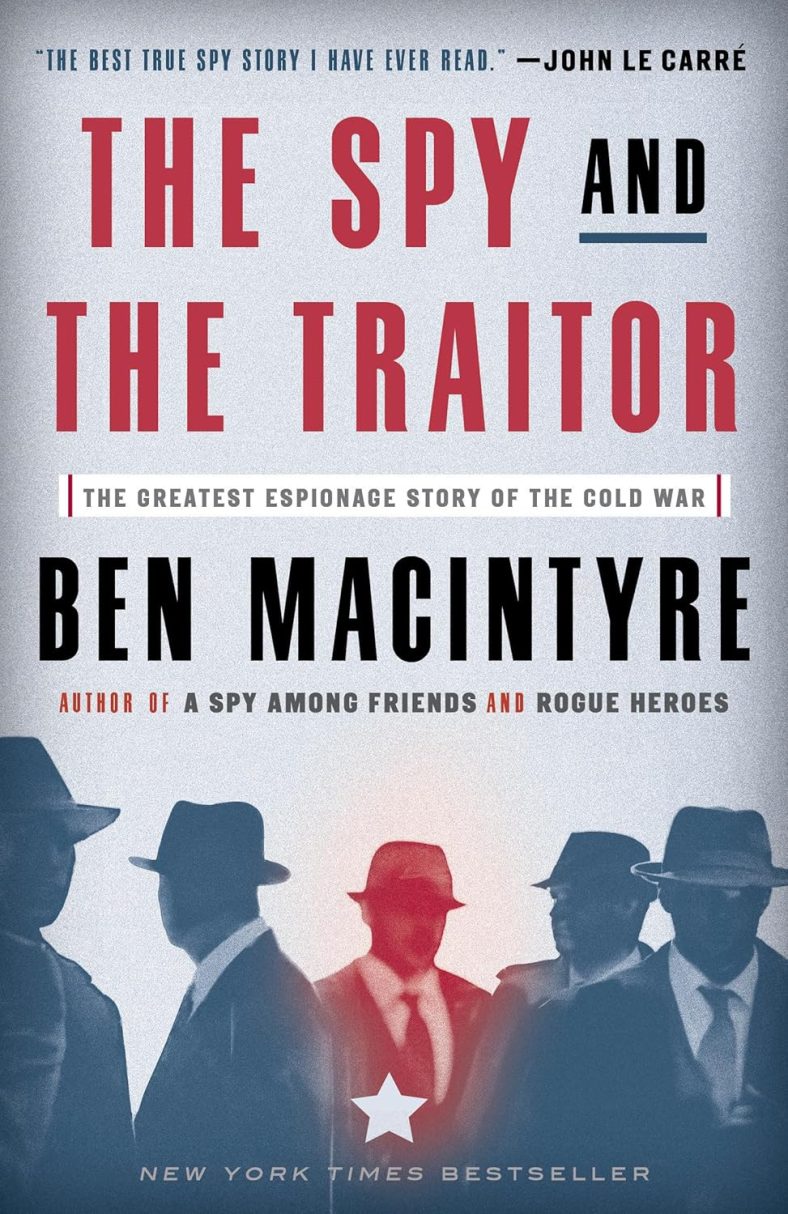
The Spy and the Traitor
Excellent Book
Outstanding storytelling and suspense.
Table of Contents
The Spy and the Traitor – Complete Book Review & Feature Breakdown
Introduction to The Spy and the Traitor
Why This Book Still Matters Today
If you’ve ever wondered what it truly felt like to live under the constant shadow of nuclear war, The Spy and the Traitor delivers that experience in a way that feels almost personal. This isn’t just another history book sitting quietly on a shelf—it’s a pulse-pounding narrative that places you right in the middle of one of the most dangerous periods in modern history. The Cold War may officially belong to the past, but its lessons, fears, and political tensions still echo in today’s global landscape.
What makes this book especially compelling is how it transforms massive geopolitical events into deeply human experiences. Instead of overwhelming you with dry facts and timelines, it zooms in on one man—Oleg Gordievsky—and shows how his decisions quietly influenced world history. You start to realize that presidents and generals don’t just shape history; sometimes, it hinges on individuals working in the shadows, risking everything.
Readers today are drawn to stories that feel real, raw, and meaningful. This book ticks all those boxes. It doesn’t just inform—it grips you emotionally, challenges your perception of loyalty, and leaves you questioning what you might have done in the same situation. That’s why it continues to resonate long after its release.
Overview of the Author Ben Macintyre
Ben Macintyre has built a reputation as one of the finest narrative historians of our time, and this book proves exactly why. He doesn’t just report events—he reconstructs them with cinematic precision, turning complex intelligence operations into stories that feel alive. His background as a journalist shines through in the clarity of his writing, while his storytelling skills rival those of top thriller novelists.
What sets Macintyre apart is his ability to balance accuracy with engagement. He digs deep into declassified intelligence files, interviews, and historical records, but he presents everything in a way that never feels heavy or overwhelming. Instead, you feel like you’re reading a high-stakes novel—except every twist and turn actually happened.
In The Spy and the Traitor, he reaches a new level of storytelling. Critics and readers alike have praised the book not just for its factual depth, but for its emotional richness. He doesn’t paint Gordievsky as a simple hero or villain; instead, he presents him as a deeply complex human being navigating impossible choices. That nuance is what makes the book stand out in a crowded genre.
The Real Story Behind The Spy and the Traitor
Who Was Oleg Gordievsky?
At the heart of The Spy and the Traitor is Oleg Gordievsky, a man whose life reads like a script straight out of a Hollywood thriller—except it’s all true. Born into a family deeply rooted in Soviet intelligence, Gordievsky was practically destined to serve the KGB. His father and brother were both loyal officers, making his eventual betrayal of the Soviet Union even more shocking.
But here’s where things get interesting: Gordievsky wasn’t driven by greed or thrill-seeking. His transformation began slowly, shaped by key historical events like the crushing of the Prague Spring and the oppressive realities of Soviet rule. These experiences planted seeds of doubt that eventually grew into full-blown disillusionment.
When he began working secretly for British intelligence (MI6), he wasn’t just passing along documents—he was providing insights that helped the West understand the Soviet mindset at a critical moment. That kind of intelligence is priceless, especially during a time when misunderstandings could trigger a global catastrophe.
Gordievsky’s story forces readers to ask difficult questions. What does loyalty really mean? Is betraying your country ever justified? And how far would you go to stand by your beliefs?
Cold War Context and Global Tension
To fully appreciate the stakes in The Spy and the Traitor, you need to understand the environment in which it unfolds. The Cold War wasn’t just a political rivalry—it was a constant psychological battle, where both sides lived under the threat of nuclear annihilation.
During the 1970s and 1980s, tensions reached a boiling point. Miscommunication, paranoia, and aggressive military strategies pushed the world dangerously close to war. What makes this period so fascinating—and terrifying—is how fragile everything was. A single misunderstanding could have triggered a chain reaction with devastating consequences.
The book doesn’t just tell you about this—it makes you feel it. You can sense the fear, the urgency, and the pressure that defined this era. It’s like walking a tightrope where one wrong step could end everything.
Key Features of The Spy and the Traitor
Real-Life Espionage Narrative
One of the standout features of The Spy and the Traitor is its authenticity. This isn’t fiction dressed up as fact—it’s a meticulously researched account of real events that are often more thrilling than anything a novelist could invent. The level of detail is astonishing, from covert meetings and coded messages to the intricate methods spies used to avoid detection.
What makes this narrative especially engaging is how it breaks down complex intelligence operations into something easy to follow. You don’t need a background in espionage to understand what’s happening. Macintyre guides you through each step, explaining just enough to keep you informed without slowing down the pace.
The result is a reading experience that feels immersive and fast-paced. You’re not just observing events—you’re living them alongside the characters. Every decision, every risk, every narrow escape feels immediate and real.
Masterful Storytelling Style
Macintyre’s storytelling is where the book truly shines. He has an uncanny ability to build tension, often ending chapters at just the right moment to keep you turning pages. It’s the literary equivalent of a perfectly timed cliffhanger.
What’s even more impressive is how he balances action with reflection. Amid the high-stakes drama, he takes time to explore the emotional and moral complexities of the characters. This adds depth to the story, making it more than just a sequence of events.
The pacing is another strong point. The narrative moves quickly, but never feels rushed. Each moment is given the attention it deserves, allowing readers to fully absorb the significance of what’s happening.
Writing Style and Narrative Strength : The Spy and the Traitor
Blending History with Thriller Elements
One of the most impressive aspects of The Spy and the Traitor is how seamlessly it blends factual history with the gripping pace of a thriller. You might expect a book rooted in Cold War intelligence to feel dense or overly academic, but that’s not the case here. Instead, the narrative moves with the urgency of a spy novel, filled with tension, suspense, and carefully timed revelations. It’s almost like watching a high-stakes movie unfold in your mind—except every scene is backed by real events.
Ben Macintyre has a rare talent for transforming complex geopolitical situations into something both understandable and exciting. He doesn’t overwhelm you with technical jargon or endless timelines. Instead, he picks the most crucial details and presents them in a way that builds momentum. You find yourself constantly wondering what will happen next, even though the outcome is already written in history. That’s the magic—turning known events into edge-of-your-seat storytelling.
The pacing plays a big role in this. Short, impactful chapters keep the story moving, while moments of tension are stretched just enough to keep you hooked. It’s like a rollercoaster where you know the drops are coming, but you still feel the thrill every time. This approach makes the book accessible not only to history lovers but also to readers who typically prefer fast-paced fiction.
Character Development and Emotional Depth
Beyond the action and intrigue, The Spy and the Traitor shines in its portrayal of human emotion. Oleg Gordievsky isn’t presented as a one-dimensional hero or villain; instead, he’s depicted as a deeply conflicted individual navigating an incredibly dangerous double life. This emotional complexity adds a layer of depth that elevates the book far beyond a simple espionage account.
You see the personal cost of his choices unfold gradually. His decisions impact not just his own life, but also the lives of his family, friends, and colleagues. There’s a constant tension between duty and personal belief, and that tension feels real and relatable. It makes you pause and think—what would you do in his position? Would you risk everything for your ideals, knowing the consequences could be devastating?
Macintyre also brings secondary characters to life with remarkable clarity. Intelligence officers, political leaders, and even minor figures are given distinct personalities and motivations. This attention to detail creates a rich, immersive world where every character feels like they matter. It’s not just about what happened—it’s about how it felt to live through it.
Major Themes Explored in The Spy and the Traitor
Loyalty vs Betrayal
At its core, The Spy and the Traitor is a story about loyalty—and what happens when that loyalty is tested to its limits. Gordievsky’s journey forces readers to confront a difficult question: is betrayal always wrong, or can it sometimes be justified? On paper, his actions clearly fall under betrayal. He was a KGB officer who secretly worked for MI6, passing along sensitive information that undermined his own country.
But when you dig deeper, the lines start to blur. Gordievsky believed he was acting in the best interest of humanity, not just one nation. His growing disillusionment with the Soviet system made him question whether his loyalty should lie with his country or with broader moral principles. That internal conflict is what drives the narrative and keeps readers engaged on a deeper level.
This theme resonates because it doesn’t offer easy answers. Different readers may come away with completely different interpretations of Gordievsky’s actions. Some may see him as a hero who helped prevent global catastrophe, while others may view him as a traitor who betrayed his roots. That ambiguity is what makes the story so compelling—it invites you to think rather than simply accept.
Ideology vs Humanity
Another powerful theme running through The Spy and the Traitor is the clash between ideology and humanity. During the Cold War, political ideologies weren’t just abstract ideas—they shaped lives, dictated actions, and often justified extreme measures. Gordievsky’s story highlights how rigid adherence to ideology can lead to moral blindness.
As he witnesses events like the suppression of uprisings and the increasing paranoia of Soviet leadership, Gordievsky begins to question the system he once served. His shift isn’t sudden; it’s a gradual awakening that reflects a deeper struggle between what he was taught to believe and what he felt was right. This tension between ideology and personal conscience adds emotional weight to the narrative.
The book also shows how this conflict played out on a global scale. Leaders on both sides were influenced by their beliefs, sometimes making decisions that escalated tensions unnecessarily. Gordievsky’s intelligence helped bridge that gap, offering insights that allowed for more measured responses. In this way, the story underscores the importance of understanding the human element behind political actions.
Historical Accuracy and Research Depth : The Spy and the Traitor
Authentic Intelligence Details
One of the defining strengths of The Spy and the Traitor is its commitment to authenticity. This isn’t a dramatized retelling filled with guesswork—it’s a carefully researched account built on declassified documents, firsthand interviews, and historical records. Every operation, meeting, and exchange is grounded in reality, giving readers confidence in the story’s accuracy.
Macintyre doesn’t just present facts; he contextualizes them. He explains how intelligence operations worked, why certain decisions were made, and what risks were involved. This level of detail allows readers to fully grasp the complexity of espionage during the Cold War. It’s not just about secret meetings and hidden messages—it’s about strategy, psychology, and constant vigilance.
What’s particularly impressive is how these details are woven into the narrative without slowing it down. Instead of feeling like a history lesson, the information enhances the story, making each moment more meaningful. You begin to appreciate just how delicate and dangerous intelligence work really was.
Insights Into KGB and MI6 Operations
The book offers a rare glimpse into the inner workings of both the KGB and MI6, shedding light on how these organizations operated behind the scenes. You get to see their strengths, weaknesses, and the methods they used to outmaneuver each other. It’s like stepping into a hidden world that most people only hear about in rumors or fiction.
One of the most fascinating aspects is the contrast between the two agencies. The KGB is portrayed as powerful but often weighed down by bureaucracy and paranoia, while MI6 appears more flexible and adaptive. These differences play a crucial role in how events unfold, influencing everything from recruitment strategies to operational decisions.
Through Gordievsky’s perspective, readers gain insider knowledge that would have been nearly impossible to access during the Cold War. This not only adds depth to the story but also helps explain why certain events happened the way they did. It’s a reminder that intelligence work isn’t just about gathering information—it’s about interpreting it correctly and acting on it at the right time.
The Dramatic Escape: A Turning Point
The 1985 Escape Operation
If there’s one part of The Spy and the Traitor that truly feels like the climax of a blockbuster film, it’s Gordievsky’s daring escape from Moscow in 1985. After years of working as a double agent, his cover was blown, and his life was in immediate danger. What follows is a meticulously planned operation that showcases the ingenuity and bravery of both Gordievsky and his handlers.
The escape wasn’t a simple dash for freedom—it was a carefully orchestrated mission involving coded signals, precise timing, and an incredible amount of risk. One wrong move could have led to capture, imprisonment, or worse. The tension is palpable as each step unfolds, with the stakes growing higher by the minute.
This moment serves as a turning point not just in Gordievsky’s life, but in the narrative itself. It brings together all the themes of loyalty, betrayal, and survival, creating a sequence that is as emotionally powerful as it is thrilling.
Why It Feels Like a Movie Scene
What makes this escape so unforgettable is how vividly it’s described. Macintyre’s writing allows you to visualize every detail—the nervous anticipation, the split-second decisions, the constant fear of being caught. It’s the kind of scene that feels tailor-made for the big screen.
But unlike a fictional movie, this actually happened. That’s what makes it even more impactful. Knowing that real people went through these experiences adds a layer of intensity that’s hard to replicate in fiction. It’s not just entertainment—it’s history brought to life in the most dramatic way possible.
The cinematic quality of this section is a testament to Macintyre’s storytelling skill. He takes a complex operation and presents it in a way that is both easy to follow and incredibly engaging. By the time you reach the end, you’re left with a sense of awe at what was accomplished—and the risks that were taken to make it happen.

Critical Reception and Awards
Reader Reviews and Popular Opinion
The Spy and the Traitor has received widespread acclaim from readers around the world, and it’s easy to see why. Many describe it as one of the most gripping nonfiction books they’ve ever read, often comparing it to classic spy novels. The combination of real events and compelling storytelling creates an experience that resonates with a broad audience.
Readers frequently highlight the book’s ability to make complex historical events accessible and engaging. Even those with little prior knowledge of the Cold War find themselves drawn into the story, thanks to its clear explanations and strong narrative flow. It’s the kind of book that sparks curiosity, encouraging readers to learn more about the period and its key players.
Another common point of praise is the emotional impact. The story doesn’t just inform—it connects on a human level, making readers care about the characters and their choices. That emotional engagement is what keeps the book memorable long after it’s finished.
Awards and Recognition
The book’s success isn’t limited to reader reviews—it has also earned significant recognition within the literary world. It was named one of the best books of the year by major publications and shortlisted for prestigious awards, reflecting its impact and quality.
Critics have praised Macintyre’s ability to combine rigorous research with compelling storytelling, noting that he has set a new standard for narrative nonfiction. The endorsement from renowned figures in the literary and intelligence communities further solidifies its reputation as a standout work.
These accolades aren’t just decorative—they signal that The Spy and the Traitor is more than just a good read. It’s an important contribution to our understanding of history, offering insights that remain relevant even today.
Pros and Cons of The Spy and the Traitor
| Pros | Cons |
| Highly engaging storytelling | Some political details may feel dense |
| Based on real historical events | Requires attention to follow timelines |
| Deep character development | Not purely action-focused at all times |
| Rich historical context | Complex moral themes may challenge readers |
Strengths of the Book
The biggest strength of The Spy and the Traitor lies in its ability to make history feel alive. It combines rigorous research with compelling storytelling, creating a narrative that is both informative and entertaining. The emotional depth of the characters adds another layer, making the story resonate on a personal level.
Another major advantage is its accessibility. Despite dealing with complex topics, the book remains easy to read and understand. This makes it suitable for both history enthusiasts and casual readers alike.
Limitations to Consider
No book is perfect, and this one is no exception. Some readers might find certain sections heavy with political or historical detail. While these moments are important for context, they can slow down the pace for those looking for nonstop action.
Additionally, the moral ambiguity of the story may not appeal to everyone. Gordievsky’s actions can be seen as both heroic and controversial, depending on your perspective. This complexity is part of what makes the book powerful, but it can also be challenging.
Conclusion
The Spy and the Traitor isn’t just a book—it’s an experience. It takes you deep into the hidden world of espionage, revealing how one man’s choices helped shape the course of history. With its gripping narrative, rich detail, and thought-provoking themes, it stands out as one of the most compelling true spy stories ever written.
Whether you’re a fan of history, politics, or thrillers, this book offers something valuable. It informs, entertains, and challenges you to think differently about loyalty, morality, and the power of individual action. Few books manage to do all three so effectively. Read more
FAQs
- Is The Spy and the Traitor based on a true story?
Yes, it is a fully documented true story based on real events and intelligence records.
- Who is the main character in the book?
The book focuses on Oleg Gordievsky, a KGB officer who became a double agent for MI6.
- Is this book suitable for beginners in history?
Absolutely. It’s written in a clear, engaging style that makes complex topics easy to understand.
- What genre does this book fall under?
It combines history, biography, and thriller elements.
- Why is this book considered one of the best spy stories?
Because it blends real-life events with masterful storytelling, creating a narrative that feels as gripping as fiction.
Buy on Amazon