a walk in the park
Excellent Book
Outstanding storytelling and suspense.
Table of Contents
Introduction
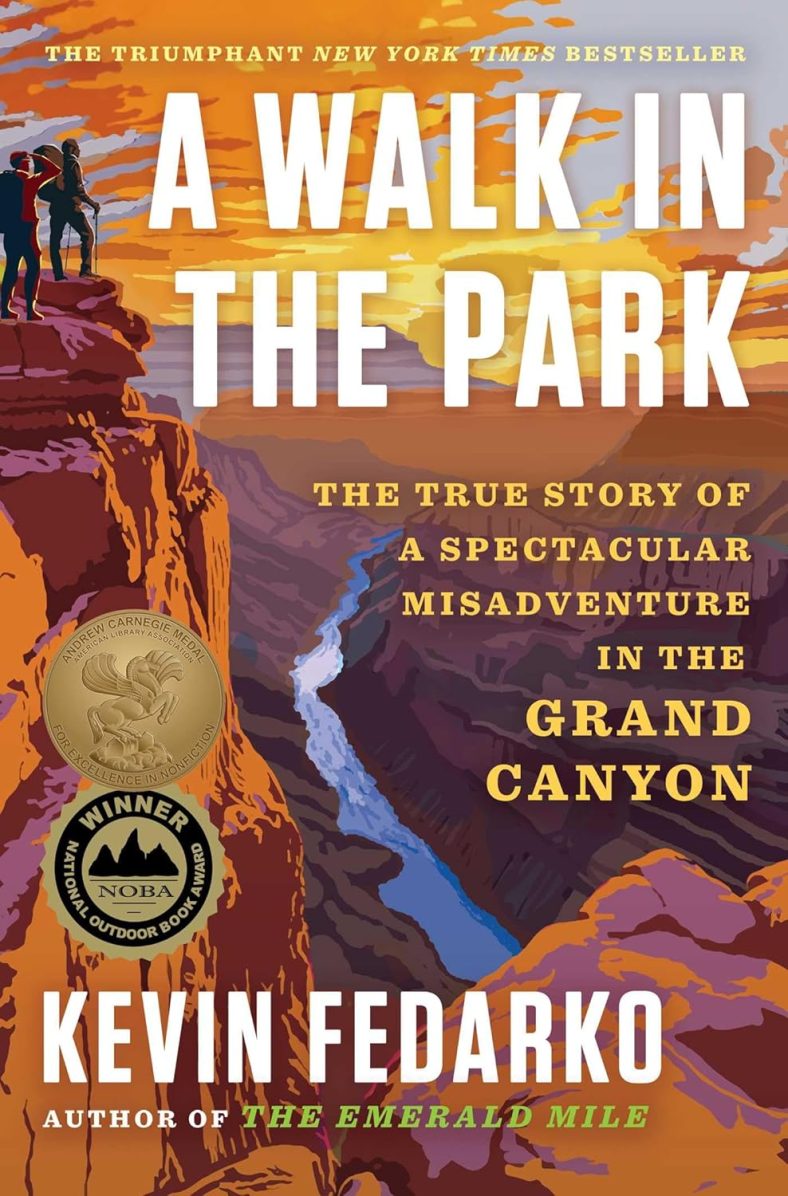
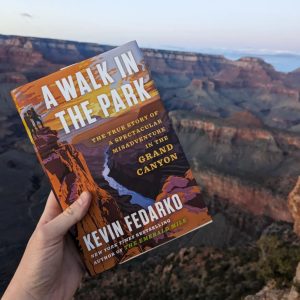
In outdoor adventure literature, few books capture the beauty of nature and the mistakes of human ambition like A Walk in the Park: The True Story of a Spectacular Misadventure in the Grand Canyon by Kevin Fedarko. This book is a New York Times bestseller and has been recognized with some amazing awards, including the 2024 National Outdoor Book Award and the 2025 Andrew Carnegie Medal for Excellence in Nonfiction. It’s worth checking out! Readers praise it for its storytelling and the vivid way it portrays one of the toughest landscapes on Earth.
Whether you enjoy nature, love adventure, or appreciate good writing, A Walk in the Park provides a rich and rewarding reading experience. This article offers a detailed look at the book’s key features, including its engaging story, clear language, themes, structure, and overall value, to provide a helpful and informative review.
A Bold Premise: The Toughest Hike in the World
A Walk in the Park is not a relaxing stroll. The title, which is meant to be ironic, highlights the book’s main theme: author Kevin Fedarko and his friend, National Geographic photographer Pete McBride, decide to hike the Grand Canyon from start to finish on foot. This 750-mile trip is known as one of the toughest hikes in the world because there is no official trail. The hike involves bushwhacking, free climbing, and navigating dangerous areas where water is hard to find and rescue is nearly impossible.
Fedarko, who also wrote The Emerald Mile, skillfully mixes humor, tension, wonder, and deep thoughts in his storytelling. Their year-long journey tests their endurance, friendship, and humility against the immense power of nature.
Narrative Excellence: Fedarko’s Gift for Storytelling
One of the most praised features of A Walk in the Park is Fedarko’s skill with language. The book mixes memoir, travel writing, environmental insights, and thoughtful reflection. Fedarko uses rich metaphors, similes, and emotional passages that lift the storytelling to a spiritual level.
Critics and readers compare Fedarko’s writing to the beautiful language found in Braiding Sweetgrass by Robin Wall Kimmerer. His ability to create feelings of awe—through vivid descriptions and honest emotions—makes this book stand out from typical adventure stories.
“Fedarko doesn’t just talk about awe; he makes you feel it!” — The New York Times Book Review.
A Deeply Human Story : A walk in the Park
The book tells a dramatic story about physical challenges, but it is also about relationships. The friendship between Fedarko and McBride is central to the narrative, providing both humor and emotional tension. Their bond faces many tests, drawing readers into their feelings as much as their physical journey.
Fedarko’s relationship with his aging father brings a heartfelt and emotional layer to the story. His father always wanted to see the Grand Canyon but never could. This personal connection makes the journey an act of closure, tribute, and reflection.
Encounters with Hidden Histories and Indigenous Voices
One of the best parts of A Walk in the Park is how it dives into the fascinating cultural and historical stories behind the Grand Canyon!. On their journey, Fedarko and McBride talk with members of the canyon’s eleven Native American tribes. These conversations give readers new stories, traditions, and viewpoints that question the usual narratives about national parks in the U.S.
This story is more than just about nature; it asks us to rethink our ideas about land, belonging, and preservation. Fedarko points out that the Grand Canyon, like many national treasures, has rich Indigenous history that existed long before modern park systems. His respectful approach allows these important stories to come to light and add depth to the narrative.
Environmental Advocacy Through Experience : A walk in the Park
The journey is personal and also a call to action. Fedarko argues strongly for protecting the canyon’s fragile ecosystem from commercial tourism, development, and environmental damage. He does not use a preachy tone; instead, he lets the journey speak for itself. The beauty, isolation, and danger of the trip show the canyon’s unique value and vulnerability.
This advocacy feels natural rather than forced. The journey is filled with exciting challenges and amazing views that make it all worthwhile.
Visual Enrichment: Photos, Maps, and Multimedia
Fedarko’s story is at the center of the experience, but many readers enjoy the physical book for its photos and maps. These visuals help readers understand the journey’s scale and the geography involved.
For those who like audiobooks, Fedarko’s narration adds a personal touch that many listeners appreciate. Often, readers who start with the audiobook end up buying the physical book for a more engaging experience.
Photographer Pete McBride has also created a companion photo book that captures their journey. This book features wonderful visual storytelling that beautifully complements Fedarko’s narrative, making it an enjoyable experience.
Reader Experience: Why This Book Resonates
The book has a significant impact that goes beyond just facts. Readers frequently share their experiences of feeling deeply touched on an emotional level, finding a sense of spiritual inspiration, and encountering stimulating challenges that provoke thoughtful reflection. One reviewer called it soul food and praised Fedarko’s poetic writing and positive insights.
The book also balances different tones. Fedarko combines humor, frustration, and wonder while offering thoughtful insights about life and its complexities. This variety keeps the book interesting and easy to read, even when it talks about tough moments of the hike.
It’s not only a book about a location; it’s about experiencing life in that place, being open and aware of its beauty.
Balanced Critique: A Few Considerations
A Walk in the Park has received a lot of praise, but it does have some minor criticisms. Some readers think that certain parts are too detailed or take too long to get to the point, especially when the story includes philosophical thoughts or historical information. A few reviewers also see bias or dismissiveness in Fedarko’s descriptions of some places, like Pittsburgh, which one reviewer from Pennsylvania felt was unfair and outdated.
Despite these criticisms, they are few and tend to be overshadowed by the book’s overall literary and emotional success.
Who Should Read A walk in the park?
– People who enjoy nature writing and adventure stories
– Fans of authors like Jon Krakauer, Cheryl Strayed, or Bill Bryson
– Environmental advocates and nature lovers
– Anyone who wants to learn more about the Grand Canyon beyond what tourist brochures offer
– Those looking for nonfiction that is both poetic and thought-provoking, combining stories with deeper meaning
Conclusion
A Walk in the Park by Kevin Fedarko is a story about the Grand Canyon that combines adventure with deep human themes. It highlights the beauty and dangers of the area and raises important environmental issues. Fedarko’s writing engages readers with strong emotions and vivid descriptions, leading them to think about friendship, purpose, and the need to preserve nature.
This book is for everyone, whether you enjoy hiking, care about the environment, or love literature. For the best experience, try listening to the audiobook while reading the physical book. This way, you can enjoy the storytelling, beautiful images, and useful maps. Overall, “A Walk in the Park” is a heartfelt reminder of why we should protect wild places. Read more
Buy on Amazon