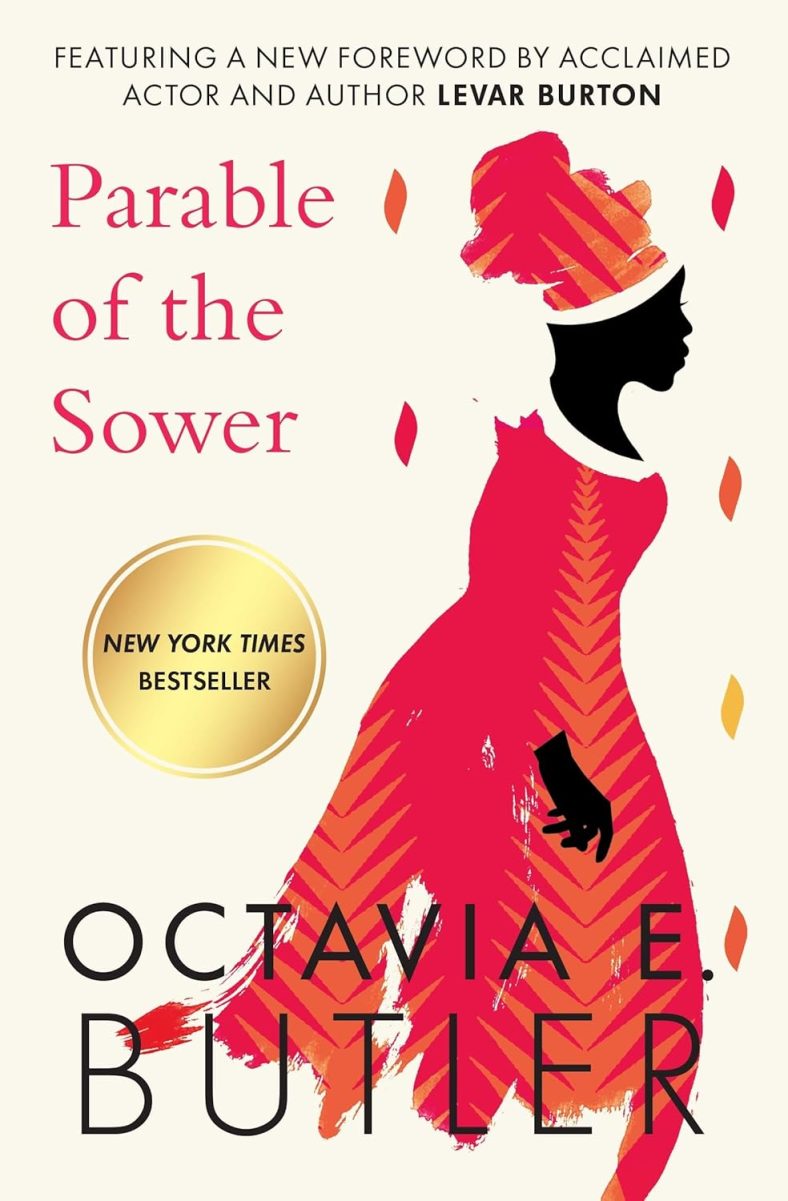
Parable of the Sower
Excellent Book
Outstanding storytelling and suspense.
Table of Contents
Introduction
Parable of the Sower by Octavia E. Butler goes beyond a typical post-apocalyptic story. It stands as a prophetic masterpiece that offers deep insight into today’s global challenges.The novel was first published in the 1990s and is now a well-known classic. It continues to captivate readers with its powerful portrayal of climate change, social collapse, systemic racism, and the search for spiritual renewal.
In this article, we’ll explore the novel’s core themes, unforgettable characters, and enduring significance in both science fiction and broader literature. Through Butler’s vivid prose and detailed world-building, readers are drawn into a future that feels alarmingly close to our own. The book challenges us to reflect on the urgent realities we face today.

A Frighteningly Believable Post-Apocalyptic Setting
Parable of the Sower presents a world plagued by climate change, economic instability, and social decay—all wrapped in a gripping narrative. Schools have deteriorated, clean water is scarce, and law enforcement is either absent or corrupt. Society has collapsed, leaving vulnerable people to survive on their own.
In this fractured world, the rich hide behind fortified walls, while the poor struggle in the open. Butler’s world feels disturbingly familiar. It mirrors our climate anxieties and exposes how fragile social systems truly are. Her depiction is not just fiction—it’s a stark warning.
Lauren Olamina: A Powerful Protagonist with Hyperempathy
The story is about Lauren Olamina, a smart and strong-willed fifteen-year-old Black girl. She has hyperempathy syndrome. This condition makes her feel the pain and pleasure of others as if it were her own. In a brutal world, this trait becomes both a strength and a danger.
Raised in a strict Baptist community led by her preacher father, Lauren begins to question the values she grew up with. When violence destroys her home, she sets out into a dangerous world. Along the way, she matures into a spiritual leader, using her empathy to connect with others and build something new.
The Birth of Earthseed: A New Religion for a Broken World
One of the novel’s most compelling elements is Earthseed, a new belief system created by Lauren. Its central idea is simple yet profound: “God is Change.” Unlike traditional religions, Earthseed is flexible and evolves with the world around it.
This philosophy is more than spiritual—it’s revolutionary. Earthseed offers hope in a world collapsing under its weight. It invites readers to imagine new systems of belief and encourages adaptability as a tool for survival. Butler asks us: What will we believe in when old structures fail?
Themes of Racism, New Slavery, and Economic Disparity: Parable of the Sower
Butler takes a hard look at racism, economic exploitation, and modern slavery. In places like Olivar, corporations lure workers with promises of security. But once inside, they are trapped in endless labor and stripped of freedom. This “new slavery” echoes real-world issues like debt cycles, the prison-industrial complex, and exploitative gig work.
Characters such as Emery and Tori carry the scars of this system. Their hyperempathy adds emotional depth, making their suffering even more intense. Butler doesn’t shy away from exposing racial tensions either. Even in seemingly safe communities, deep divisions remain.
A Deeply Psychological Exploration of Faith and Identity : parable of the Sower
Lauren’s spiritual journey is central to the story. Raised Baptist, she gradually rejects her father’s rigid teachings and develops Earthseed as a more relevant faith. This new belief system empowers her, rooted in the idea that survival requires adaptability.
Butler explores what it means to believe, and how belief can change with time and experience. Earthseed is not an escape but a tool for growth. It challenges readers to rethink how religion and identity evolve in the face of real-world struggles.
Language, Style, and Accessibility: Parable of the Sower
Butler’s prose is powerful yet accessible. The story unfolds through Lauren’s journal entries, giving readers a raw, personal view of her world. This format builds intimacy and draws readers into Lauren’s thoughts and emotions.
There’s no confusing scientific jargon—just vivid descriptions and deeply human experiences. Butler’s clear, emotional writing ensures that the story stays with readers long after the final page. Her world is brutal, but it’s also deeply relatable.
Critics and Readers Agree: A Must-Read Dystopian Masterpiece parable of the Sower
Parable of the Sower has earned praise for its sharp social commentary and unforgettable characters. It tackles real-world issues like climate change, inequality, and systemic oppression with urgency and clarity. Readers often describe it as “haunting,” “realistic,” and “deeply moving.”
The book currently ranks as the #1 bestseller in Post-Apocalyptic Science Fiction on Amazon. Its relevance has only grown as today’s world faces similar threats. While some critics note the story’s slow beginning or open-ended conclusion, the novel’s emotional and intellectual impact is undeniable.
Why “Parable of the Sower” Matters Now More Than Ever
We live in a world marked by climate fear, political unrest, and a search for meaning. Butler saw this coming. Her work doesn’t just show how to survive—it shows how to lead a meaningful life in a collapsing society.
Through Lauren, we learn that compassion is strength. Her belief unites people in a divided world. Her journey reminds us that humanity can evolve if we face our challenges with courage and vision.
Book Specifications at a Glance
- Title: Parable of the Sower
- Author: Octavia E. Butler
- Publisher: Grand Central Publishing
- Publication Date: April 30, 2019 (Reprint)
- Length: 368 Pages
- Language: English
- ISBN-13: 978-1538732182
- Lexile Measure: 710L
- Series: Book 1 of 2 (Followed by Parable of the Talents)
- Weight: 2.31 lbs
- Dimensions: 5.2 x 1 x 8 inches
Final Thoughts: A Transformative Reading Experience
Whether you’re drawn to dystopian fiction, social justice themes, or coming-of-age stories, Parable of the Sower has something meaningful to offer. Butler weaves a gripping narrative with deep insights into empathy, inequality, and human potential.
This book urges us to reflect, act, and imagine a better future. It is a rare blend of visionary fiction and real-world relevance. For anyone seeking stories that challenge and inspire, Parable of the Sower is a must-read.
Conclusion
Parable of the Sower is more than dystopian fiction—it’s a powerful commentary on our world. Through Lauren Olamina’s journey, Butler explores the human capacity for resilience, leadership, and change. The novel’s insights on hyperempathy, modern slavery, and spiritual reinvention remain deeply relevant.
If you’re ready for a story that challenges your thinking and inspires your spirit, this book belongs on your shelf. Let it move you—and motivate you—to help shape a better future. Read more
Buy on Amazon