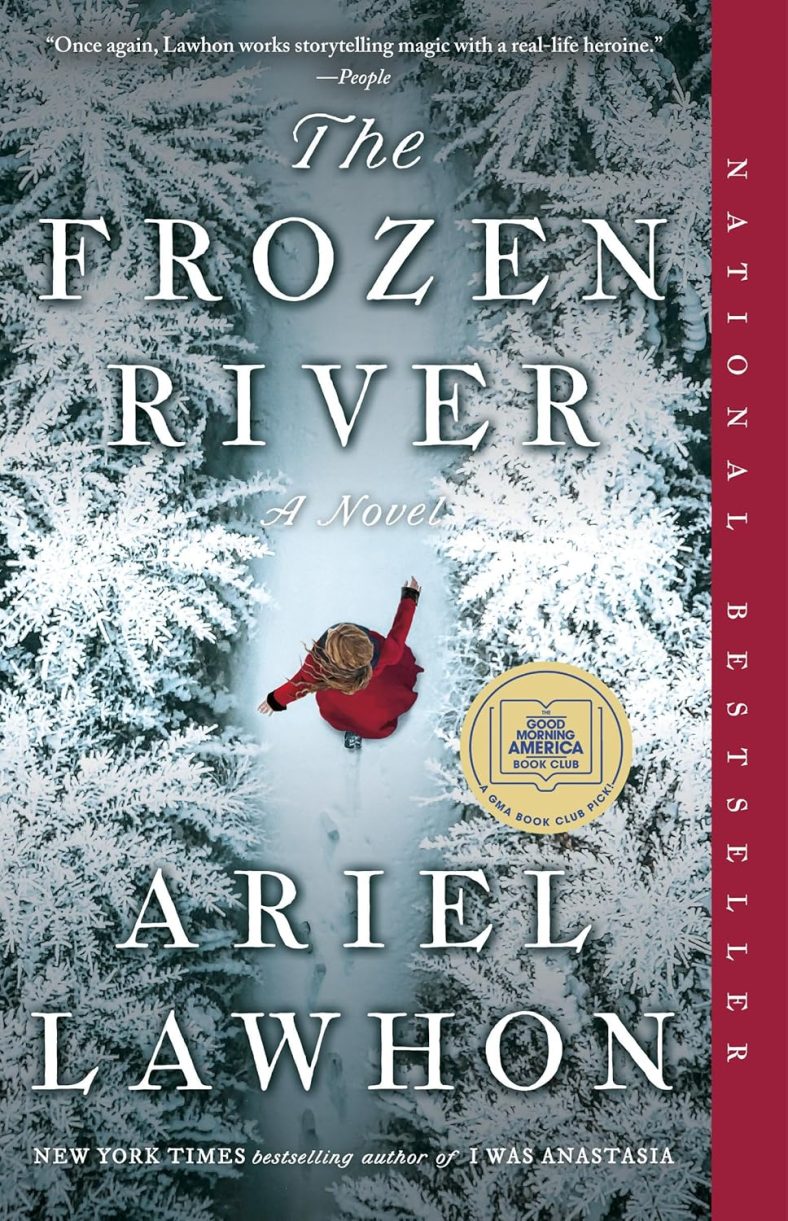
The Frozen River
Excellent Book
Outstanding storytelling and suspense.
Table of Contents
Introduction
Historical fiction, when done right, is like opening a door to the past. It’s not just about dates and costumes—it’s about human stories that still echo today. The Frozen River by Ariel Lawhon delivers just that. Inspired by real events and the diary of an 18th-century midwife, this book combines suspense, history, and emotion in a story that’s both thought-provoking and heartfelt.
About the Author in Frozen River – Ariel Lawhon
Master of Historical Fiction
Ariel Lawhon is a master at turning history into gripping narrative. Her talent lies in taking overlooked women and turning them into unforgettable protagonists.
Previous Acclaimed Works
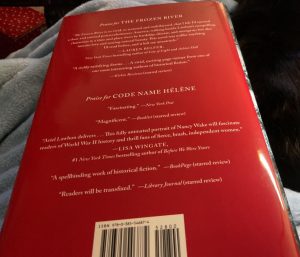
With bestselling novels like Code Name Hélène and I Was Anastasia, Lawhon has made a name for herself by blending meticulous research with fast-paced storytelling. She respects the truth but isn’t afraid to fill in the emotional blanks to bring characters fully to life.
Plot Summary of The Frozen River
Setting the Scene: 18th Century Maine
The year is 1789. The American Revolution is over, but justice is still a slippery conceptHallowell, Maine, is cold and covered in snow. This setting creates a mysterious story.
The Discovery of a Body
A man’s frozen body was found in the Kennebec River. His death raises questions, especially since it links back to a disturbing rape case. Nothing about the scene feels accidental.
Conflict: Truth vs. Power
Martha Ballard, a respected midwife, senses something is wrong. But when a local physician insists it was a natural death, her doubts are brushed aside. What happens when truth threatens powerful men?
Martha’s Bold Investigation
Using her journal, observational skills, and deep community ties, Martha begins her investigation. What she uncovers could destroy reputations—but silence could do even more harm.
Historical Context and Background
The Real Martha Ballard
Martha Ballard was no fictional creation. Her diary, covering over 27 years, provides a rare firsthand account of a woman’s life in early America. It’s not just personal—it’s historical gold.
Women’s Roles in Colonial America
Despite their central roles in family and community life, women were often excluded from legal and public decision-making. Martha’s actions in the novel reflect how extraordinary her courage really was.
Legal System of 1789
Justice in the 18th century heavily favored men. Women’s voices, especially in matters of law and crime, were usually ignored or discredited. This makes Martha’s investigation even more compelling.
Key Features of the Book
Based on True Events
What makes this book so powerful is its foundation in reality. Every emotion and twist feels grounded and earned.
Strong Female Protagonist
Martha isn’t a superhero. She’s strong in a quiet, consistent way—determined, morally grounded, and smart.
Rich Historical Detailing
From candlelit kitchens to the bitter Maine winter, every scene is vividly painted. You’re not just reading—you’re living it.
Legal and Medical Insights
Lawhon weaves fascinating details about early American medicine and law. It’s like learning history without even realizing it.
Vivid Character Development
Every character feels like someone you could run into around town. Even minor players have depth, adding realism to every page.
Central Themes in The Frozen River
Justice and Integrity
The book explores the idea that justice doesn’t always come from courts—it often starts with personal courage.
Gender and Power
Martha is constantly reminded of her “place,” but she refuses to stay in it. Her story is a powerful commentary on gender roles that still resonate today.
Community vs. Isolation
Martha’s role as a healer gives her access to many homes, but her pursuit of truth isolates her. Lawhon shows how communities can support and suppress all at once.
Quiet Courage and Determination
Not all heroes charge in with swords. Some, like Martha, use pens, words, and patience. Her bravery lies in persistence.
Writing Style and Literary Techniques
First-Person Perspective
Told through Martha’s eyes, the story becomes intimate. You don’t just know what she thinks—you feel what she feels.
Diary Format Integration
Actual excerpts and a diary-style structure add realism. It mixes real history with creativity in a clever way.
Language and Accessibility
Lawhon’s language is simple but impactful. You never get bogged down in archaic terms or historical overload.
Nuanced Antagonists
Even the so-called “villains” have reasons for their actions and stories in their past. This adds depth and avoids the trap of one-dimensional bad guys.
Reader Experience
Why Readers Connect
Readers love Martha’s voice—wise, strong, and deeply human. They also praise the book’s emotional tension and immersive world-building.
Emotional and Intellectual Impact
It’s not just a murder mystery—it’s a meditation on truth, courage, and the cost of doing what’s right.
Why You Should Read The Frozen River
Engaging and Educational
You’ll learn about colonial life, women’s history, and early American justice—all while enjoying a page-turning story.
Resonant Themes for Modern Readers
Issues like silencing women, abuse of power, and moral complexity still hit home today.
Compelling Female Lead
If you’re tired of passive heroines, Martha Ballard will restore your faith in female-driven stories.
Conclusion
The Frozen River is more than just a novel—it’s a rediscovery. Ariel Lawhon has taken the nearly forgotten life of Martha Ballard and made her unforgettable. With heart, grit, and unflinching honesty, the story explores what it means to stand up when it would be easier to stay silent. If you want a book that educates as it entertains, that moves your heart and stirs your mind, look no further. read more
FAQs
- What makes The Frozen River unique?
Its blend of true history, emotional storytelling, and a strong female lead sets it apart from most historical fiction novels.
- Is the book based on a true story?
Yes. It’s inspired by the real diary of Martha Ballard, a midwife who lived in 18th-century Maine.
- Is it a good pick for book clubs?
Absolutely. It offers plenty of discussion topics—justice, gender roles, morality, and historical context.
- How accurate is the historical detail?
Very accurate. Lawhon used Martha Ballard’s original diary as a foundation, ensuring strong authenticity.
Buy on Amazon